Blog
Welcome to the CrossFit Westport blog! Dive into our latest posts full of expert tips, fitness insights, and community highlights to inspire and enhance your CrossFit journey.

As our lives Evolve so does out training

HYROX isn’t just running. Learn how CrossFit Westport’s HYROX Training Lab builds strength endurance, station capacity, and hybrid performance under fatigue.
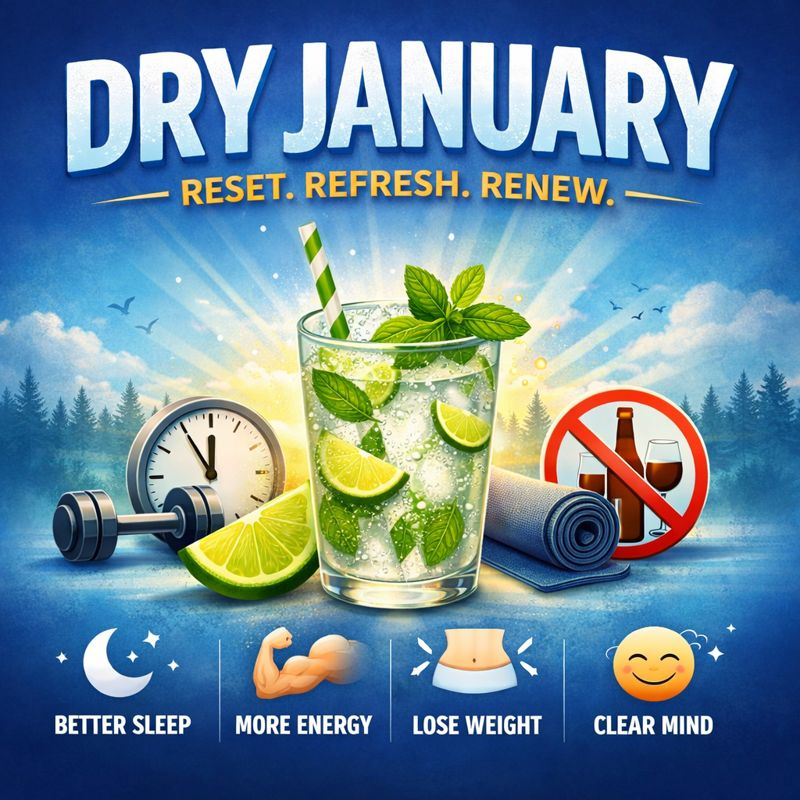
Try Dry January for better sleep, more energy, faster recovery, and healthier habits. Even if you don’t drink, detox from scrolling or sugar.
We bought CrossFit Westport in 2021. Now entering year five, here are 5 lessons I wish I knew—and the advice I’d give new affiliate owners.

Learn why most New Year’s fitness resolutions fail and how CrossFit Westport helps you succeed in 2026 with coaching, structure, and accountability.
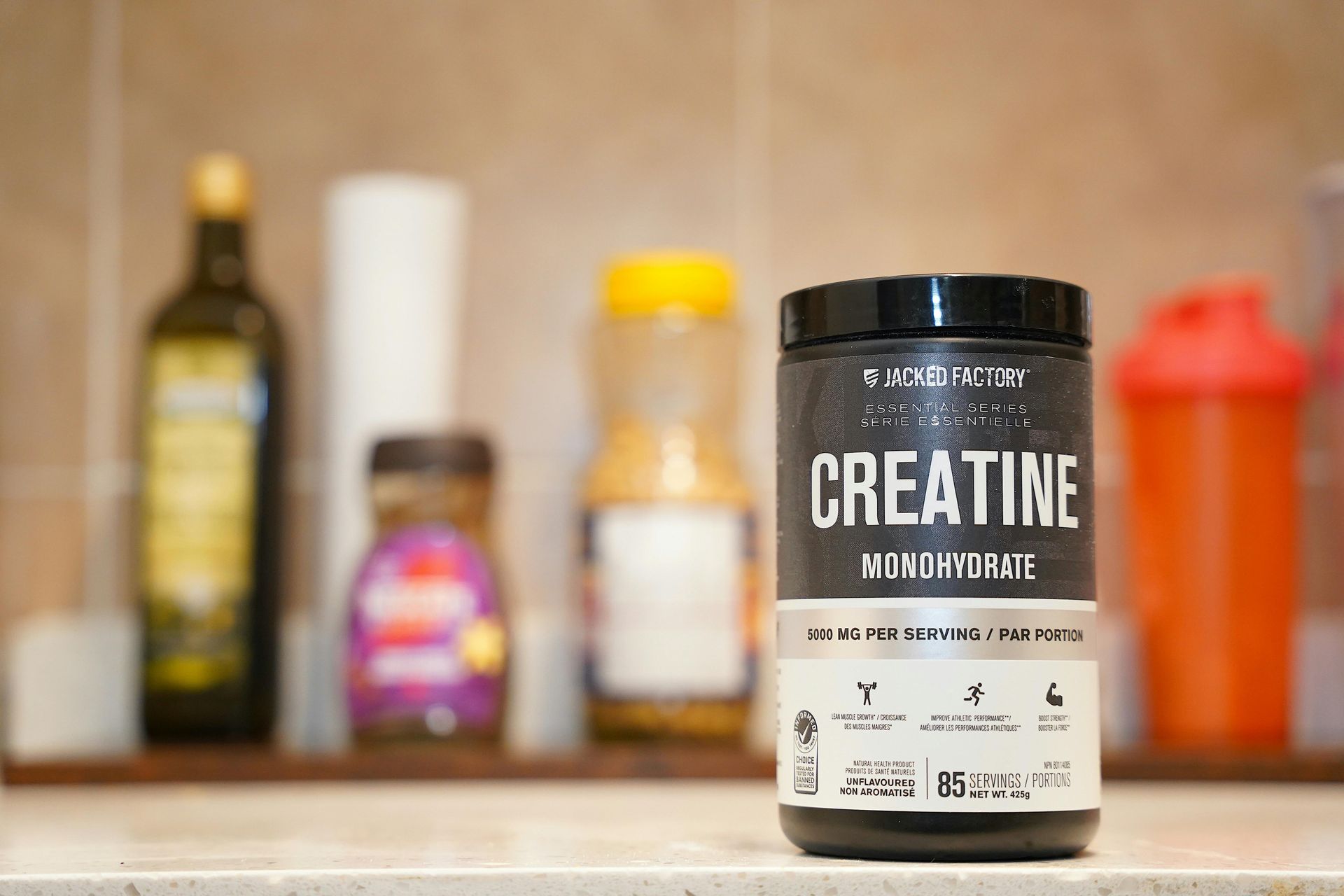
If you’ve spent any time in the CrossFit box or weight room, you’ve probably heard someone rave about creatine monohydrate. This simple supplement isn’t just gym bro hype it’s one of the most researched and effective performance boosters out there[1]. Creatine can help you lift heavier, sprint faster, and recover better, all backed by solid science. And it’s not just for elite athletes, everyday fitness enthusiasts ( yes, even those of who are up there in age ) can reap the benefits. In this article, we’ll break down what creatine monohydrate is, the evidence-based benefits for strength and recovery, why it’s worth considering in your regimen, and how to use it safely for best results. What is Creatine Monohydrate? Creatine is a substance naturally found in our muscles and certain foods (like red meat and fish). In the body, it’s stored mostly as phosphocreatine (PCr), which helps regenerate ATP the primary energy currency your muscles use for quick, explosive efforts. Think of ATP as the fuel for a 10-second all-out sprint or a heavy lift; creatine helps refill your “ATP tank” faster . Your body does make some creatine on its own, but not enough to maximize high-intensity exercise output. By supplementing with creatine monohydrate, you can increase your muscle creatine stores by 20–40% beyond normal levels. In practical terms, this means more fuel for intense exercise bouts. For CrossFitter's and hybrid fitness fans, that extra fuel can translate to better performance during those short, brutal WODs and heavy lifting sessions. Proven Benefits for Strength and Performance Numerous studies have shown that creatine monohydrate delivers significant performance boosts, especially for strength and power activities[2]. In fact, creatine is widely regarded as the most effective ergogenic (performance-enhancing) supplement for high-intensity exercise and muscle gain. Here’s what the research-backed benefits look like: Increased Strength and Power : Creatine helps you lift heavier and push harder. After your muscles are saturated with creatine, you might perform 10–20% better in high-intensity, repetitive strength tasks ( like heavy lifts or short sprint s) than you would without it[2]. Over time, this can lead to greater gains in lean muscle and strength something dozens of studies and sports nutrition authorities agree on. Better High-Intensity Endurance: For activities that involve repeated bursts of effort ( hello, CrossFit rounds! ), creatine lets you sustain high output for longer. Athletes notice they can squeeze out that extra rep or maintain sprint speed for a few seconds more. It’s especially useful in workouts where you have short rests between intense efforts, as it aids faster recharge of your energy between rounds. Improved Training Quality and Muscle Mass : By enabling those extra reps and improved power, creatine effectively increases your training volume over time. The compounding effect is better long-term adaptations, meaning more muscle and strength gains from the same training program than without creatine. Research suggests creatine users gain muscle and strength more rapidly during resistance training compared to non-users. It’s not magic or steroids ( more on that myth later ) it simply allows you to train harder and recover faster. And don’t worry that creatine only benefits young men or powerlifters. Women and older adults can see improvements too. While some studies note women might have slightly smaller strength gains on average, many female athletes still benefit significantly particularly if they had lower baseline creatine stores ( for example, vegetarian or low-meat diets ). Older adults ( even 50s, 60s and beyond ) can improve muscle strength and functional performance with creatine, especially when combined with resistance training[1]. In short, creatine’s strength and performance perks apply across age and gender, making it a versatile supplement for the entire fit community. Faster Recovery and Reduced Muscle Soreness Another big reason creatine is beloved in the fitness world is its impact on recovery . If you’re training hard (Like all of us! ), creatine can help your muscles bounce back quicker between sessions. Research shows creatine supplementation can reduce muscle cell damage and inflammation after intense exercise, leading to faster recovery of strength. For example, in one study athletes who took creatine regained muscular strength more quickly after a heavy workout they had about 10% greater isokinetic strength and 21% greater isometric strength in recovery tests compared to a placebo group. Markers of muscle damage (like creatine kinase in the blood ) were also dramatically lower ( up to 84% lower at some points ) in the creatine group. The creatine users literally felt less “beat up” and restored strength faster. Another trial with endurance athletes found that loading with creatine before a 30 km race reduced inflammation and muscle soreness post-run – creatine users had significantly lower levels of inflammatory markers and enzymes (like TNF-α and LDH) than non-users. What does this mean for you? Quicker recovery between brutal WODs or heavy lifting days. Creatine helps replenish energy stores (including aiding glycogen restoration in muscles[3] ) and may stabilize muscle cell membranes, reducing damage. Many CrossFit athletes report less next-day soreness and an ability to handle a higher training frequency while on creatine. By enhancing recovery, creatine lets you train consistently at high intensity a key to making progress without overtraining. Why Everyday Athletes Should Consider Creatine You don’t have to be a professional weightlifter to justify taking creatine. In fact, everyday fitness enthusiasts and recreational athletes stand to gain a lot from this supplement. Here’s why creatine deserves a spot in your supplement stack if you’re aiming to stay strong and healthy: Evidence-Based and Proven: Creatine is not a fad; it’s one of the most studied supplements in sports nutrition. Decades of research ( over 500 studies and counting ) consistently show benefits for exercise performance and muscle health[1]. If you’re going to take any supplement to complement your training, creatine is backed by the strongest science. Benefits Beyond the Barbell: While we’ve highlighted strength, power, and recovery, creatine offers some whole-body benefits that are especially relevant as we age or push our limits. There’s emerging evidence that creatine supports brain health. For example, improving cognitive processing when you’re sleep-deprived[4] or potentially aiding memory in older adults. It may also help older individuals preserve muscle mass and functional strength, combating age-related muscle loss (sarcopenia). In other words, creatine can be seen as an investment in long-term functional fitness and health, not just your next PR. Not Just for Bodybuilders: A common misconception is that creatine is only useful if you want huge bodybuilding muscles. The truth is, functional athletes ( like CrossFitters, Hybrid Athletes, runners who do strength training, etc .) can benefit greatly. Creatine’s ability to improve repeated sprint performance and short-burst endurance is ideal for sports that mix cardio and strength. Whether you’re a weekend warrior, a busy professional doing morning bootcamps, or a Masters athlete trying to stay competitive, creatine can help you train harder and maintain muscle and power as you age. Safe and Affordable : Unlike exotic supplements, creatine monohydrate is relatively cheap and very safe (more on safety soon). It’s widely available, unflavored, and easy to take. You’re not risking much by giving it a try, but you stand to gain improved performance and recovery. There’s a reason 15–40% of athletes (from high school to pro) report using creatine regularly because it works, and it’s safe and legal everywhere (creatine is not banned by any sports organization). Bottom line: If you want to get stronger, perform better in high-intensity workouts, and support your body’s resilience, creatine is worth considering. It’s one of the few supplements that can genuinely help both athletes and everyday fitness folks level up their training and results. Dosage and Timing: Getting the Most Out of Creatine Taking creatine is straightforward, but there are a few tips to maximize its effectiveness. The good news is you don’t need anything fancy – plain creatine monohydrate powder is the gold standard (no need for expensive blends or novel forms, as monohydrate has the most evidence behind it). Here’s how to use it: Optimal Dosage : The typical maintenance dose is 3–5 grams per da y[5]. This amount is sufficient for most people to keep their muscles saturated after an initial loading phase. For context, 5 grams is about one heaping teaspoon of powder. Very large individuals (those with much higher muscle mass) might benefit from the higher end (5g) or slightly more (some protocols suggest ~0.1 g per kg bodyweight, which is 7g for a 70kg person)[5], but 5g/day is a good general rule. Loading Phase (Optional): To saturate your muscles quickly, you can do a loading protocol: typically 20 g per day split into 4 doses of 5 g, for 5–7 days. This floods your muscles with creatine faster (within a week). After loading, you drop to the maintenance dose (3–5 g/day). Loading isn’t strictly necessary, though. If you prefer, you can just start with 3-5 g daily; the only difference is it will take a few weeks (~3-4 weeks) of consistent use for your muscle creatine levels to reach max saturation. Both methods end up at the same point – one just front-loads more. Timing – When to Take It: Interestingly, timing isn’t very critical for creatine. It’s not a stimulant, so you don’t need to take it pre-workout for an acute effect. Creatine works by accumulating in your muscles over days and weeks. Some research has asked whether taking it before vs. after a workout yields different results, and the consensus is that it doesn’t make a major difference. One study even specifically found no significant advantage to pre- or post-workout timing, strength and muscle gains were similar as long as total creatine was taken daily. That said, a few studies (including a 2013 study) hinted that post-workout might have a slight edge for muscle gain, but the effect is minor. The practical advice: take your creatine at a time that you’ll remember consistently. Many people toss it in their post-workout protein shake or with breakfast. It can be mixed with water, juice, or in a shake it’s virtually flavorless. Cycling: You do not need to cycle on and off creatine. Unlike some supplements, continuous use does not diminish its effect (your muscles maintain saturation) and it’s safe long-term. You also don’t build a tolerance. Just keep the daily habit. If you stop taking it, your muscle creatine will gradually return to baseline after a few weeks. A couple of practical tips: Dissolve your creatine in plenty of water or a warm beverage for better mixing ( it can be a bit grainy in cold water ). Stay well-hydrated generally, as creatine will pull extra water into your muscles (a good thing for hydration, but you want to ensure you’re drinking enough fluid daily). Finally, if you experience slight stomach upset when loading with high doses, you can spread the dose out more or just stick to the lower daily dose, most people have no issues with a 3-5g dose. Safety and Common Myths Creatine often gets a bad rap in the rumor mill – so let’s set the record straight with evidence. Is creatine safe? Absolutely, yes . Creatine monohydrate is one of the most heavily tested supplements , and research overwhelmingly shows it is safe for healthy individuals when used at recommended dosages[5]. Here are the key points on safety, along with myth-busting for common concerns: Long-Term Safety: Even very high dosages and long-term use show no harmful effects in healthy people. The International Society of Sports Nutrition (ISSN) notes that taking up to 30 g per day of creatine for 5 years has been shown to be safe and well-tolerated, with no adverse health outcomes. You read that right...even doses far above what you actually need didn’t cause problems in studies. Of course, you only need ~5 g/day, but this highlights creatine’s wide safety margin. Kidney Health: One of the oldest myths is that creatine might hurt your kidneys. Extensive research has debunked this for people with healthy kidneys. A 2019 systematic review and meta-analysis found that creatine supplementation did not negatively affect renal (kidney) function. It did not significantly change serum creatinine or urea levels compared to non-users. In plain terms, creatine does not cause kidney damage in healthy individuals. ( If you have pre-existing kidney disease, discuss with your doctor first, but for the average person, there’s no evidence of harm.) Dehydration and Cramping: Another myth is that creatine will dehydrate you or cause muscle cramps. Originally, people worried because creatine pulls water into muscles, but multiple studies have shown the opposite of the myth. Creatine users often have fewer cramps and heat-related issues. In fact, athletes taking creatine experienced significantly less cramping, dehydration, and muscle tightness compared to non-users in some research[6][7]. The ISSN’s findings are clear: creatine does not cause dehydration or muscle cramps[8]. Of course, you should still drink water regularly as you would with any training routine, but creatine is not drying you out. Weight Gain and Bloating: Creatine can cause a small weight increase when you start – usually about 1–3 pounds (0.5–1.5 kg) in the first week of loading[9]. This is mainly water weight inside your muscles ( intracellular water ), which actually makes your muscles look a bit fuller. It’s not bloating in the sense of excess fat or puffiness under the skin. Many experts frame it as improved hydration status of muscle cells, not “bloat”. This weight gain plateaus after you’re saturated; it’s a normal effect and not harmful. If anything, that cellular hydration can be beneficial for muscle function and growth. “Creatine Is a Steroid” – No, It’s Not: Creatine is sometimes falsely lumped in with anabolic steroids – likely because people associate any supplement that helps performance with steroids. Let’s be very clear: creatine is NOT a steroid or hormone. It’s a naturally occurring compound (an amino acid derivative) that you consume in foods and your body produces in small amounts. It has no direct effect on testosterone or other hormones. All it does is increase energy availability in muscles. So you get stronger through better training, not because creatine itself is altering your hormones or magically growing muscle. This also means creatine is fully legal in sports and does not carry the health risks associated with steroid abuse. Finally, creatine’s safety extends to various populations. It’s been studied not only in young adult athletes, but also in women, seniors, and even children and adolescents with no ill effects at recommended doses[8]. There’s ongoing research into therapeutic uses of creatine for certain medical conditions, which speaks to its safety profile when used under guidance. Always stick to quality creatine (reputable brand monohydrate) and recommended dosing. If you do that, you can feel confident that creatine is a safe addition to your nutrition plan. In Summary For a fitness community that thrives on strength, resilience, and performance – from 26-year-old firebreathers to 65-year-old masters – creatine monohydrate can be a game-changer. To recap, creatine is a proven, safe supplement that helps improve high-intensity exercise performance, increase strength and muscle mass, and speed up recovery between workouts[2]. It works by boosting your muscles’ energy supply, allowing you to train harder and adapt faster. The benefits aren’t limited to competitive athletes; anyone looking to get stronger, reduce fatigue, and support their fitness journey (even outside the gym, in terms of cognitive and aging benefits) should give creatine a look. Importantly, all these claims are supported by strong scientific evidence – from the consensus of sports nutrition experts to specific studies showing measurable improvements. Creatine is affordable, easy to take, and has an outstanding safety record with minimal side effects. For CrossFitters tackling tough WODs or an everyday athlete pushing for personal bests, creatine monohydrate might just be the extra edge you need to power through and come back stronger. Load up wisely, stay consistent, and you’ll likely feel the difference in your training – backed both by science and the PRs on your scorecard. Sources: 1. Kreider RB et al. (ISSN Position Stand, 2017) – Safety and efficacy of creatine in exercise, sport, and medicine[ 2 ]. 2. Antonio J et al. (JISSN, 2021) – Common questions and misconceptions about creatine supplementation[ 1 ][ 8 ]. 3. de Souza e Silva A et al. (2019) – Creatine supplementation and renal function meta-analysis. ( link ) 4. Gordji-Nejad A et al. (Sci Rep, 2024) – High-dose creatine improves cognition during sleep deprivation[ 4 ]. 5. CrossFit Bondi (2025) – Creatine for the Everyday Athlete ( blog ). [ 1 ] [ 5 ] [ 6 ] [ 7 ] [ 8 ] [ 9 ] Common questions and misconceptions about creatine supplementation: what does the scientific evidence really show? - PMC https://pmc.ncbi.nlm.nih.gov/articles/PMC7871530/ [ 2 ] [ 3 ] International Society of Sports Nutrition position stand: safety and efficacy of creatine supplementation in exercise, sport, and medicine | Journal of the International Society of Sports Nutrition https://link.springer.com/article/10.1186/s12970-017-0173-z [ 4 ] Single dose creatine improves cognitive performance and induces changes in cerebral high energy phosphates during sleep deprivation | Scientific Reports https://www.nature.com/articles/s41598-024-54249-9?error=cookies_not_supported&code=b74abd1a-dbe7-430c-91df-b4d741163b17

Learn how the “Dad Tax” of eating your kids’ leftovers contributes to weight gain and discover simple strategies to avoid holiday overeating.
Why do people love CrossFit? Discover the community, intensity, and benefits that make CrossFit one of the most effective fitness programs.

Are You Sick or Fit? In CrossFit, we have a unique ability to quantify progress over time to see if we’re getting fitter as athletes. Back in October 2002, CrossFit published “What Is Fitness?” , providing a formal definition of fitness that emphasizes empirical measurement. The core idea: everything can be measured. That’s what we do each day in the box — we come in to lift heavy or finish a workout as fast as possible. Why? Because becoming a better athlete is becoming fitter. CrossFit defines fitness as work capacity across broad time and modal domains or in other words: how much power you can generate across many types of movements, modalities, and durations. The fitter the athlete, the more power across more domains. For example: Let's say that three months ago you did Fran ( 21-15-9 thrusters + pull-ups ) at 95 lbs. and finished in a time of 14:10. Today you retest and finish in 10:07 and that improvement is a clear signal: you got faster, you produced more power, and thus you got fitter. The Sickness–Wellness–Fitness Continuum But fitness isn’t only about WOD times. In “What Is Fitness? ”, CrossFit also references the sickness–wellness continuum . This model shows how fitness intersects with long-term health. Sickness (left side): Presence of one or more chronic diseases or conditions ( e.g. obesity, type 2 diabetes, hypertension, heart disease, kidney disease). Wellness (middle): Absence of disease, and health markers are within “normal” ranges. Fitness (right side): “Super-wellness” with optimal biomarkers, no chronic disease, and high performance capacity. Some of the key biomarkers you can track include: Fasting Blood Sugar / HbA1c Lipid profile (LDL, HDL, triglycerides) Inflammatory markers (e.g. C-reactive protein, CRP) Blood pressure and resting heart rate Body-fat percentage and lean body mass Bone density Hormones (testosterone, estrogen, progesterone, cortisol, thyroid) Waist circumference / waist-to-hip ratio It is really important in understanding where you lie on that continuum because it is a powerful tool for guiding training, nutrition, and lifestyle choices. Our goal at the gym isn’t just to help you move better in the box but it’s to help you live better outside of it. Tracking Biomarkers with Wearables & Lab Services Gone are the days when wearable tech meant only pedometers. The modern landscape is far more sophisticated and getting better everyday. If you're interested in better understanding your numbers I've listed below a few of the leading devices that help track health, stress, recovery, and sleep all of which contribute to your place on the continuum. Apple Watch Series 11: Apple’s latest smartwatch includes health features such as heart rate, ECG, blood oxygen, sleep tracking, and even hypertension notifications. Apple supports a feature called “Unlock with Apple Watch” for convenience. Note: while Apple holds patents for embedding Touch ID into future watches, as of now it is not a released feature. Oura Ring 4 : A sleek smart ring that monitors 30+ biometrics: heart rate, heart rate variability (HRV), temperature trends, sleep stages, and activity. Its “readiness” score gives daily guidance on how recovered you are. Recently, Oura launched Health Panels, allowing ring users to tie in over 50 blood biomarkers (cholesterol, glucose, kidney function, etc.) through lab testing, integrating wearable + lab data. WHOOP : A dedicated recovery and strain tracker that has become popular among performance athletes. WHOOP continuously measures sleep, strain, stress, and recovery to guide training decisions. WHOOP recently announced Advanced Labs where you can pay to have your biomarkers measures in lab visits. In head-to-head tests featured in Cosmopolitan , both Oura and WHOOP offer deep insights, but WHOOP often edges ahead in guiding how much strain is safe for a given day. These devices help turn raw data into actionable insight: when to push, when to recover, how stress or poor sleep might be affecting your performance. On the lab side, there are services like Function Health (and others) that let you order comprehensive panels (100+ biomarkers) and have results clinician-reviewed that is something many primary care physicians won’t provide proactively. These panels, often eligible for HSA/FSA reimbursement, can beautifully complement what your wearable is doing. Pulling It All Together: The Bigger Picture We all log PRs, WOD times, and weights. But what if we could see why we’re improving (or not), how recovery, sleep, stress, and internal health are impacting performance? If the ultimate goal is longevity and quality of life, then knowing exactly where you sit on the sickness–wellness–fitness continuum is powerful. Wearables + lab data help close that gap between training hard and training smart. We’re here to support you in that broader journey, not just your movements in the gym, but your performance in life. If you have questions about devices, lab services, or how to interpret your data, reach out to any of our coaches. We’ll walk that path with you.

If you've been inside a fitness facility lately or even just scrolling through your social media feed chances are you've come across both HYROX and CrossFit or at least heard of them. These two training methods have exploded in popularity in recent years, each developing fiercely loyal communities and attracting athletes from all walks of life. While HYROX and CrossFit are often mentioned in the same breath, they’re actually quite different in structure, goals, and design. But here’s the best part: they’re also incredibly complementary to each other's athlete development. Whether you’re a dedicated CrossFitter looking to test your endurance, or a HYROX athlete wanting to build strength and power, these two worlds were made to support each other. In this article I want to break down the key differences and how combining both can unlock your full athletic potential. What Is CrossFit? CrossFit is a constantly varied, high-intensity functional training methodology designed to improve all ten general physical skills: cardiovascular endurance, stamina, strength, flexibility, power, speed, coordination, agility, balance, and accuracy. Our workouts change daily and often include a blend of: Weightlifting (Olympic lifts like cleans, snatches, squats) Gymnastics (pull-ups, ring-rows, muscle-ups, handstands) Metabolic conditioning (running, rowing, biking, jump rope) Bodyweight movements (air squats, burpees, push-ups, box jumps) The goal of CrossFit is about preparing you for the unknown and unknowable. Since we change the workouts and movements each day we train versatility, like in life you’ll never know what you are going to come up against until you wake up. A workout could be a five-minute sprint or a 40-minute grind. All of this is focused to increase your ability to workout over broad modal domains, simply put you become fitter and can tackle any obstacle that you face in a workout or in life. What Is HYROX? HYROX is a global fitness race designed around consistency and repeatability. Every HYROX competition is the same format: This includes: 1K run followed by 1 functional workout station and you repeat that 8 times. Those 8 stations include: Ski Erg Sled Push Sled Pull Burpee Broad Jumps Row Farmers Carry Sandbag Lunges Wall Balls Unlike CrossFit, HYROX isn’t about surprise or complexity. It’s about pacing, engine, and mental grit over a 60-90 minute period. It rewards athletes who can manage fatigue, stay efficient, and hold steady output under pressure. Why They Support Each Other Though different, CrossFit and HYROX build incredibly compatible athletic skills. In fact, training both can elevate your performance across the board. 1. CrossFit builds HYROX strength and explosiveness. Those sleds and wall balls? They’re no joke. The power developed through Olympic lifting and functional strength training in CrossFit transfers directly into the muscle endurance and drive needed for HYROX races. These exercises both show up in CrossFit workouts and building that capacity will help you on the race course. 2. HYROX develops CrossFit engine and mental grit. Many CrossFit athletes hit a wall in longer workouts or struggle with pacing. Training for a HYROX race requires sustained effort and consistent output — skills that dramatically improve a CrossFitter’s ability to perform in Hero WODs, qualifiers, or any longer METCON. 3. Both require movement efficiency. Whether it’s kipping a pull-up or grinding through a 1K row, movement quality under fatigue matters. Athletes who do both learn how to move better, conserve energy, and recover faster. 4. Community + Competition Both sports are deeply rooted in camaraderie and personal growth. The shared suffering, cheering on your peers, and celebrating PRs — it’s the same energy. If you love the CrossFit vibe, you’ll find the same fire at a HYROX race. And if you’re a HYROX athlete who’s never touched a barbell? CrossFit can take your game to the next level. Final Thoughts CrossFit and HYROX aren’t rivals they’re allies in helping build healthier people and communities. At CrossFit Westport, we believe in building well-rounded members who are strong, conditioned, and confident in any environment. That’s why we are a CrossFit and HYROX affiliate that provide dedicated HYROX programming alongside our CrossFit classes. Whether you're stepping into your first WOD or preparing for your first HYROX race, we’ve got the tools, coaching, and community to help you thrive. Ready to explore both worlds? Let’s train.
Get Started Today
Kickstart your path to fitness—claim your free trial class now and start building a stronger, healthier you at Westport CrossFit!